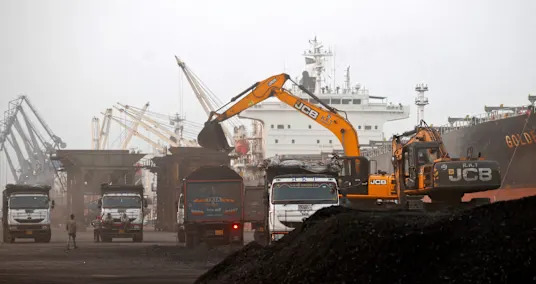
India’s much-delayed 2035 climate plan underestimates the country’s clean energy potential and allows for an acceleration of emissions growth, according to analysts. The plan aims to reduce the emissions intensity of its GDP by 47% from 2005 levels and increase the share of its electricity capacity from nonfossil sources to 60% by 2035.
The reduced carbon intensity target would, however, still allow India’s carbon emissions to increase by 70% over the next decade if GDP grows at a target rate of 7% per year, Lauri Myllyvirta of the Centre for Research on Energy and Clean Air told Semafor. That would translate to emissions growth of 5.5% per year, above the average rate of 3.5% over the past decade.
India is also on track to achieve its clean power capacity target well ahead of time: Its Central Electricity Authority projects that nearly 70% of power capacity will come from nonfossil sources by 2035-36.
“India’s booming clean energy industry is highly likely to deliver much faster progress than policymakers were prepared to commit to,” Myllyvirta said. Disruptions to oil and gas flows caused by the Iran war and the competitiveness of clean energy could strengthen the case for accelerating renewable deployment.
LATEST POSTS


 Pick the Ideal Family Feline Variety for Your Home
- How much would you pay to meet a Real Housewife? At BravoCon, the limit does not exist.
- Moon rush: These private spacecraft will attempt lunar landings in 2026
- The Most Important Crossroads in Olympic History
- The Most Paramount Crossroads in Olympic History
- The Most Compelling Books of the 10 years
- Only 30% of young people in Israel optimistic about future, Aluma survey reveals
- Progress Over Perfection: Lessons From Garment Factories Fighting Heat Stress
- France's Senate backs ban on social media platforms for under-15s